
Seeing Faith
Learning to See Through Early Christian Art
This six-session study explores the world of early Christian art and the faith it reflects. Through ancient symbols, mosaics, frescoes, and paintings, you'll discover how the earliest Christians imagined God, understood Scripture, and expressed hope in the midst of suffering.
Each session includes a short teaching video, a downloadable discussion guide, reflection prompts, and leader resources to help you engage the artwork, deepen discussion, and see your own faith with fresh eyes.
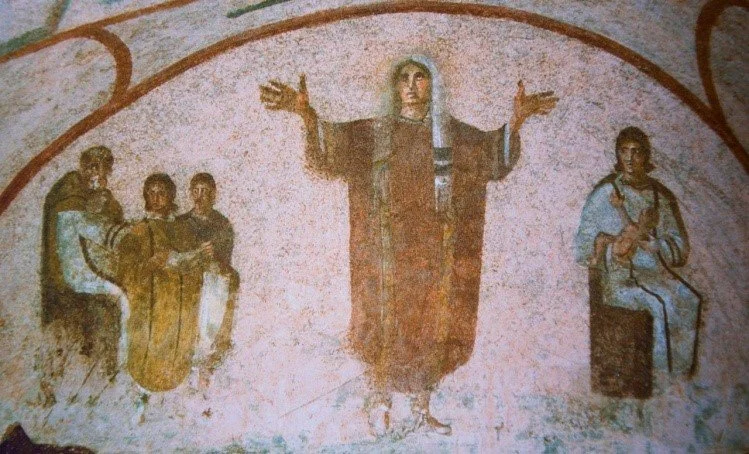

A six-session exploration of early Christian art, discovering how images, symbols, and stories shaped the faith of the early church.
Six downloadable video sessions (ad-free, high-resolution files)
Printable discussion guides for each session
Leader’s guide with teaching notes and facilitation tips
Visio Divina artwork for prayerful reflection and deeper engagement
All materials delivered in one, organized zip file
Get the complete study
Purchase once and receive immediate access to digital downloads of all materials.
Includes all six teaching videos, discussion guides, leader resources, artwork, and downloadable resources. Find a free sample below.
What’s Included
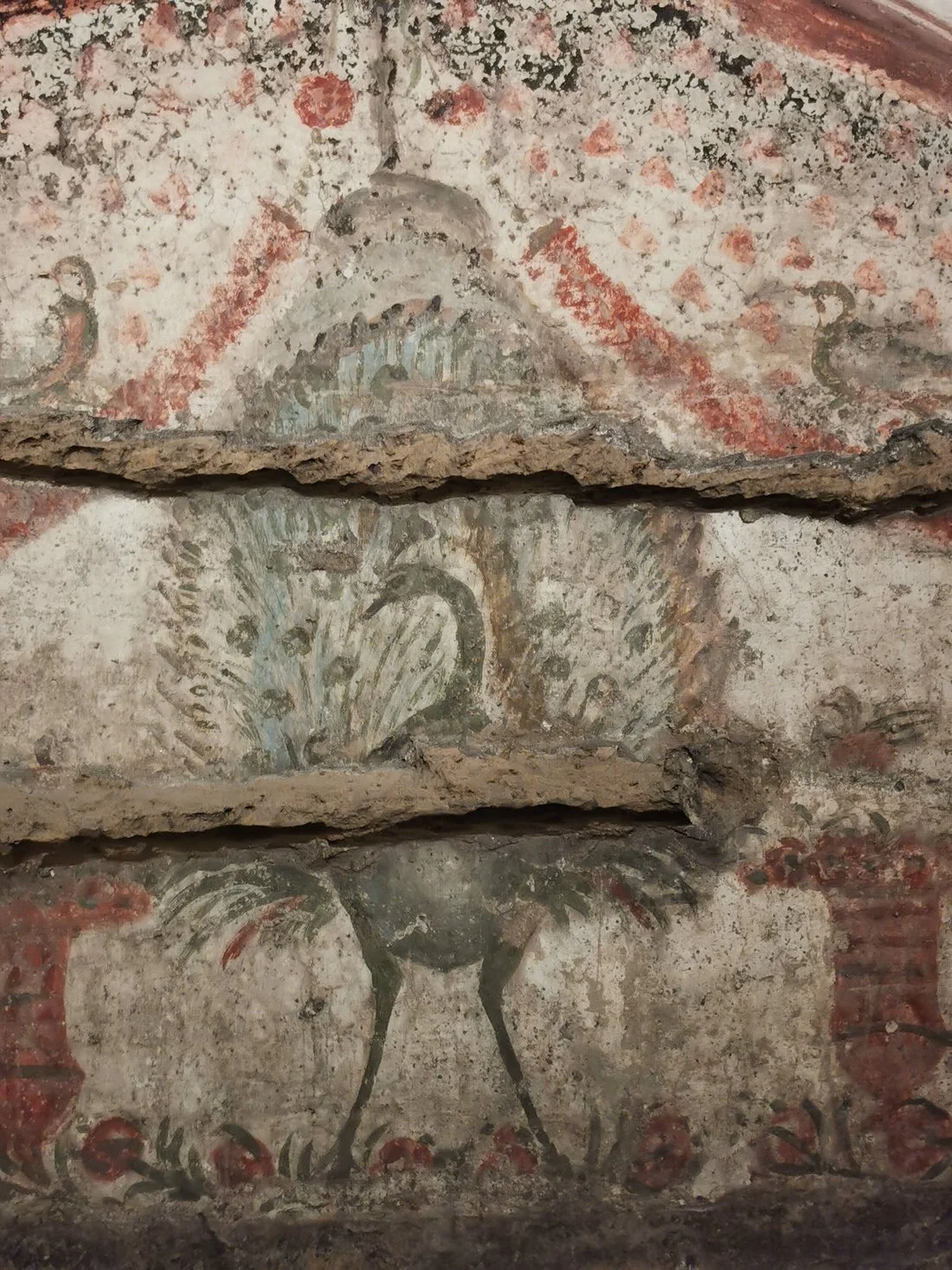
Symbols That Shape Faith
What do the images that surround us teach us to value, hope for, or fear? In this opening session, we explore the symbols of the early church and discover that they were more than decoration. Fish, anchors, vines, and birds became visual reminders of God's presence, hope, and faithfulness. Through these symbols, early Christians learned to see beneath the surface of things and imagine a world shaped by resurrection rather than fear.
Session 1
Stories of Hope
In this session, we explore the biblical stories that appear most often in early Christian art. Jonah, the Hebrew youths in the fiery furnace, and Lazarus were more than familiar stories from Scripture. They became visual reminders that God is present in suffering, faithful in uncertainty, and able to bring life where hope seems lost. The early Christians did not simply remember these stories—they saw their own lives reflected in them.
Session 2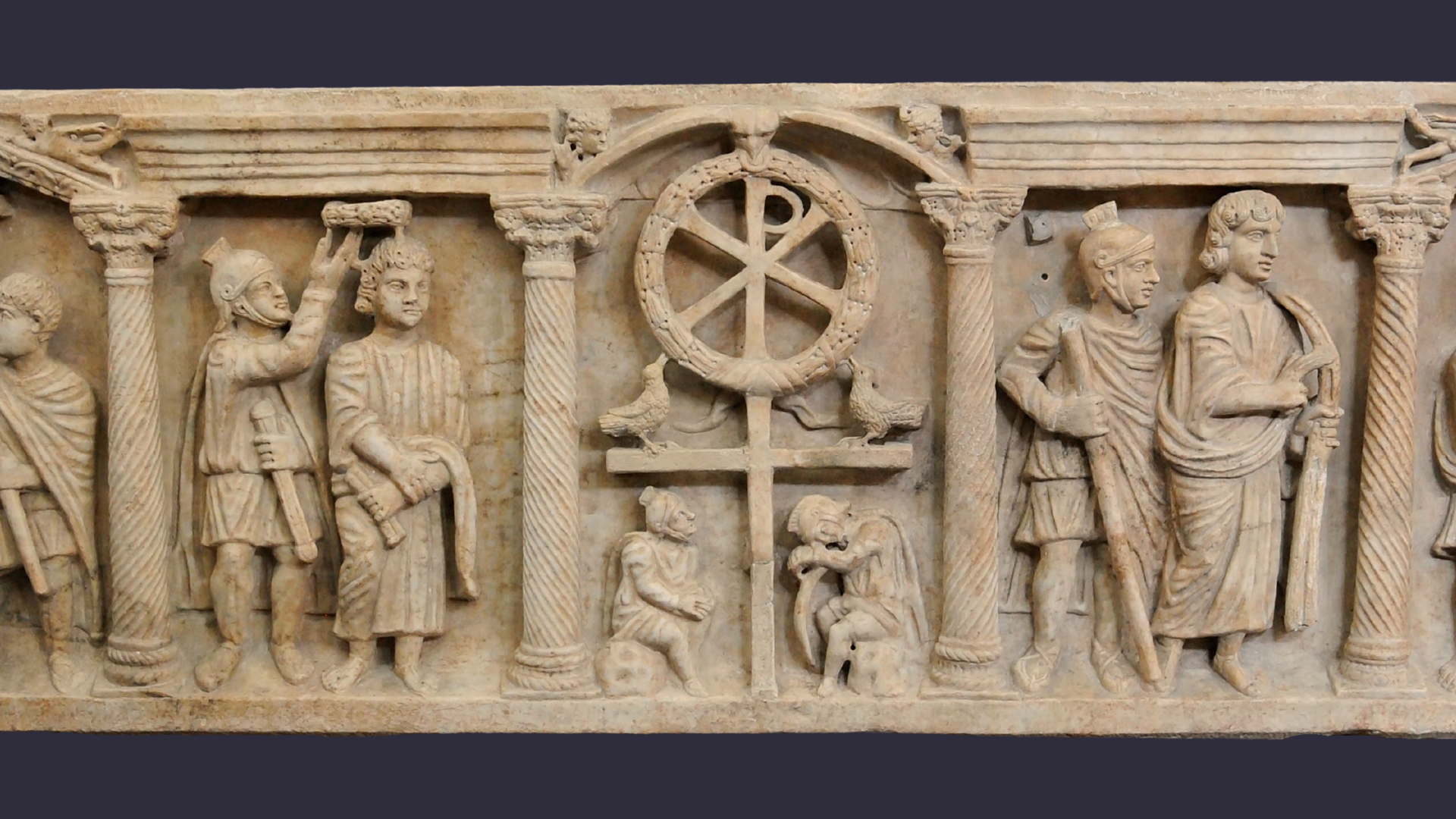
Session 3How the Cross Became Central
Today the cross is the most recognizable symbol of Christianity. Yet for the first several centuries of Christian history, it appears rarely in Christian art. In this session, we explore why the early Christians were hesitant to depict the cross and how, over time, it became a powerful symbol of hope and victory. By tracing the transformation of the cross from an instrument of shame to a proclamation of God's triumph, we discover a new way of seeing one of Christianity's most familiar symbols.
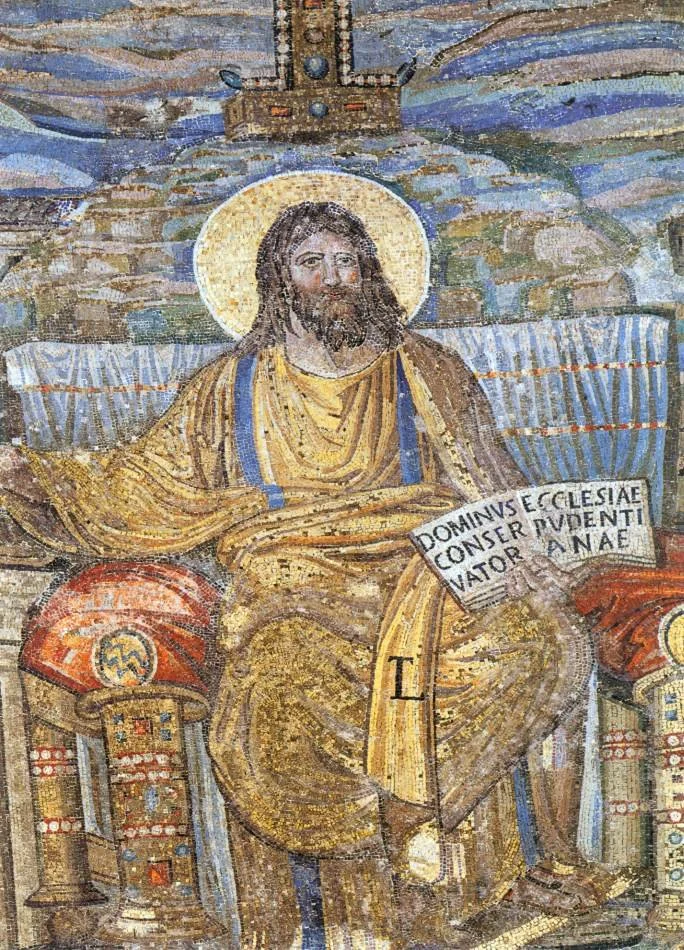
Session 4Jesus, from Teacher to King
Who is Jesus? That question has been at the heart of Christian faith from the very beginning. In this session, we explore how images of Christ changed over time. Early Christians often depicted Jesus as a shepherd, healer, wonderworker, and teacher. Later images increasingly portrayed him as ruler, judge, lawgiver, and king. These changing images reveal not only what Christians believed about Jesus, but also how culture, history, and theology shaped the ways they imagined him.
Women Remembered
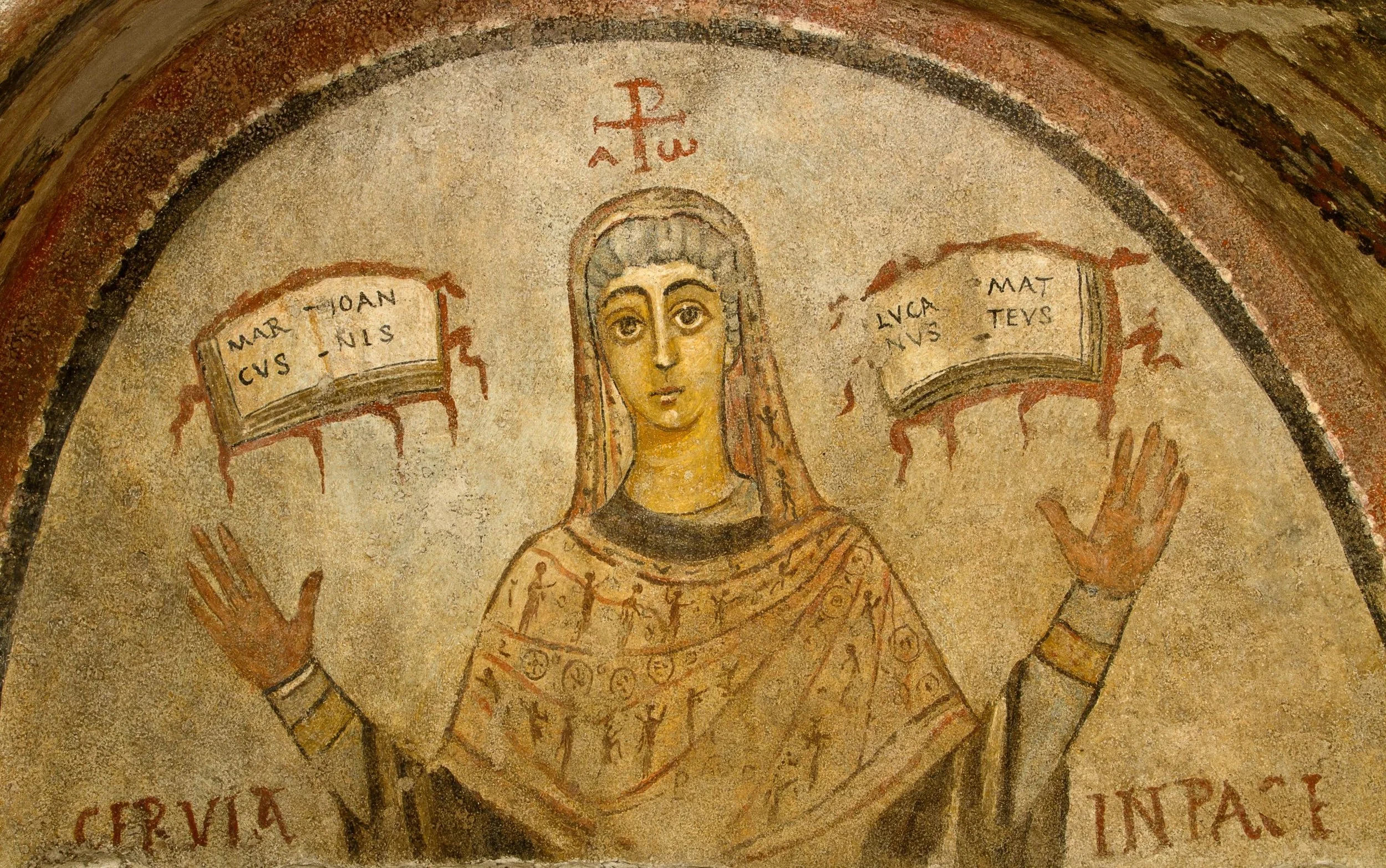
Who gets remembered in the story of the church? TIn this session, we turn our attention to the people depicted in early Christian art, particularly women. Through catacomb paintings, portraits, and scenes of worship, we discover evidence of women who prayed, taught, hosted churches, and exercised leadership within Christian communities. Their images invite us to consider not only who was present in the early church, but whose stories have been remembered and whose have been forgotten.
Session 5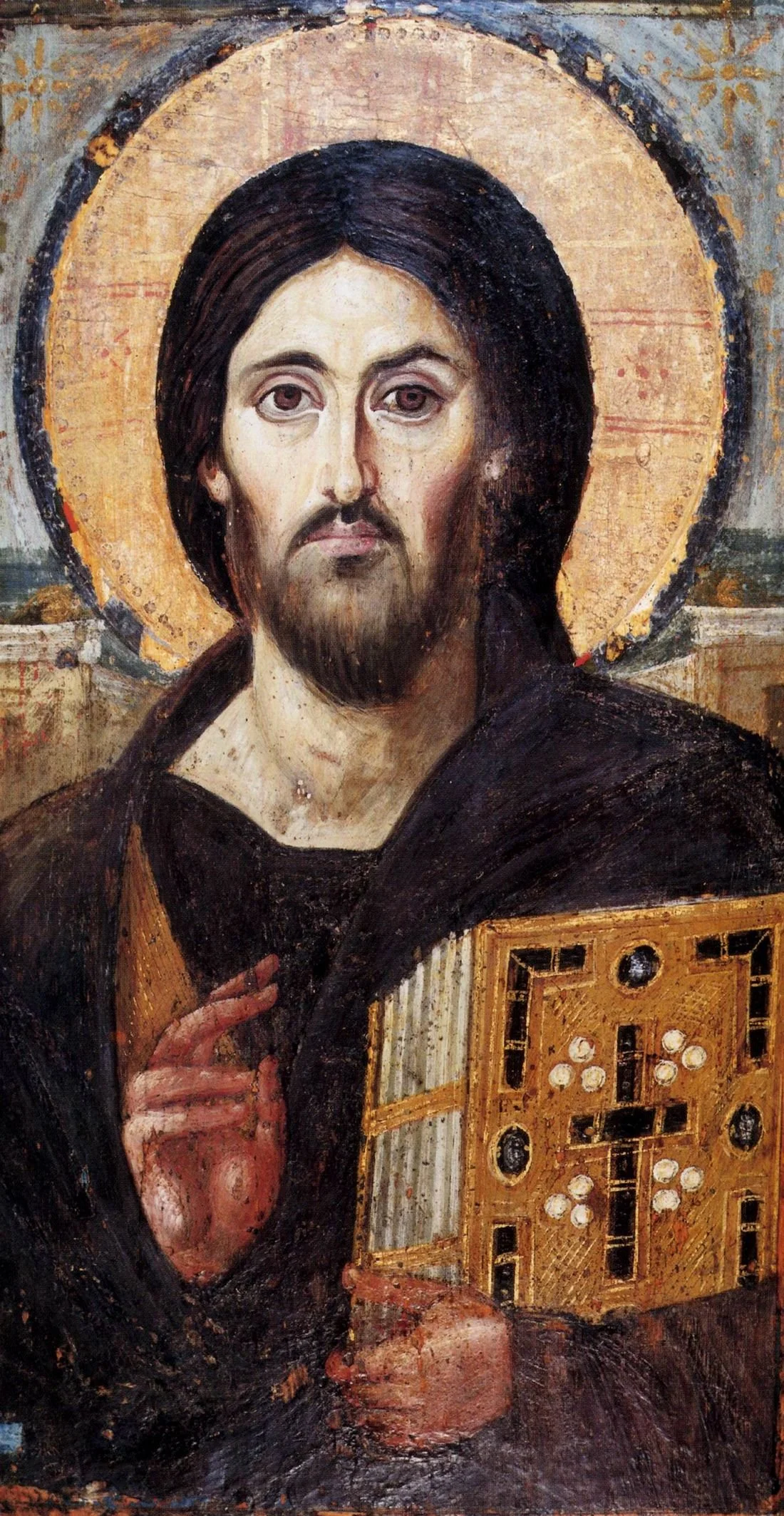
Depicting the Divine
Can God be depicted? This final session explores one of the most profound questions in Christian art. While Scripture often emphasizes God's mystery and invisibility, Christians have long sought ways to express the divine through image and symbol. From the hand of God and the dove of the Spirit to the development of icons, early Christians wrestled with how the unseen God could be encountered through what is seen. In the process, they discovered that sacred images were about more than decoration or instruction. They became invitations to prayer, contemplation, and awareness of God's presence.
Session 6